
An Introduction to Network Security Best Practices
Understanding Network Security Basics
Network security is the practice of protecting digital infrastructure from unauthorized access, attacks, or damage. It safeguards data, devices, and communications within private and public networks to maintain confidentiality, integrity, and availability.
In today’s interconnected world, network security is more critical than ever because cyber threats such as hacking, malware, and data breaches can disrupt operations, compromise sensitive information, and lead to financial or reputational loss. Effective network security builds the foundation for safe online activities across organizations and individuals alike.
Common Network Threats and Vulnerabilities
Common network threats include malware, phishing attacks, and unauthorized access. Malware refers to malicious software like viruses and ransomware designed to damage or control devices. Phishing attacks trick users into revealing confidential information through deceptive emails or websites.
Vulnerabilities often arise from outdated software, weak passwords, or insufficient controls, making it easier for attackers to infiltrate networks. For example, unpatched operating systems can have exploitable holes that grant hackers entry.
Understanding these threats is the first step toward implementing effective defense mechanisms tailored to protect digital assets against evolving risks.
Essential Security Measures for Networks
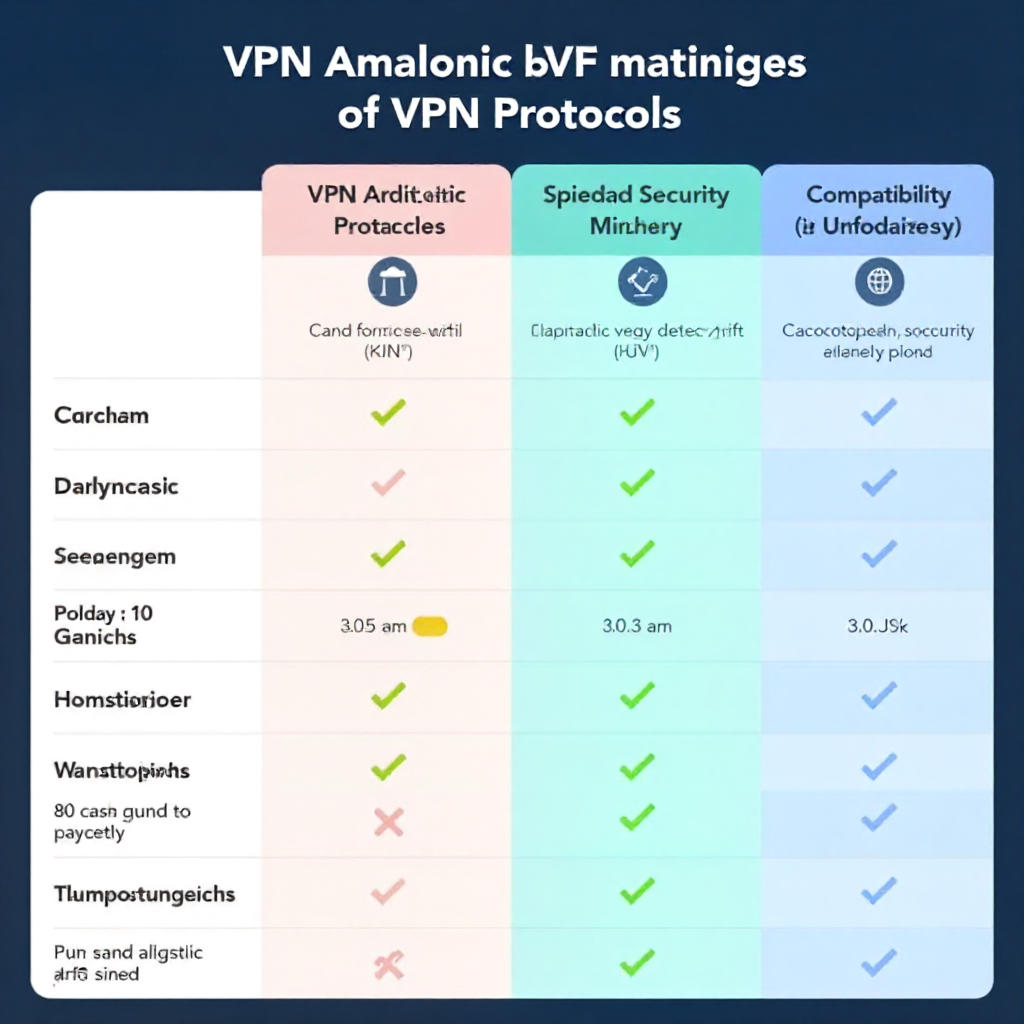
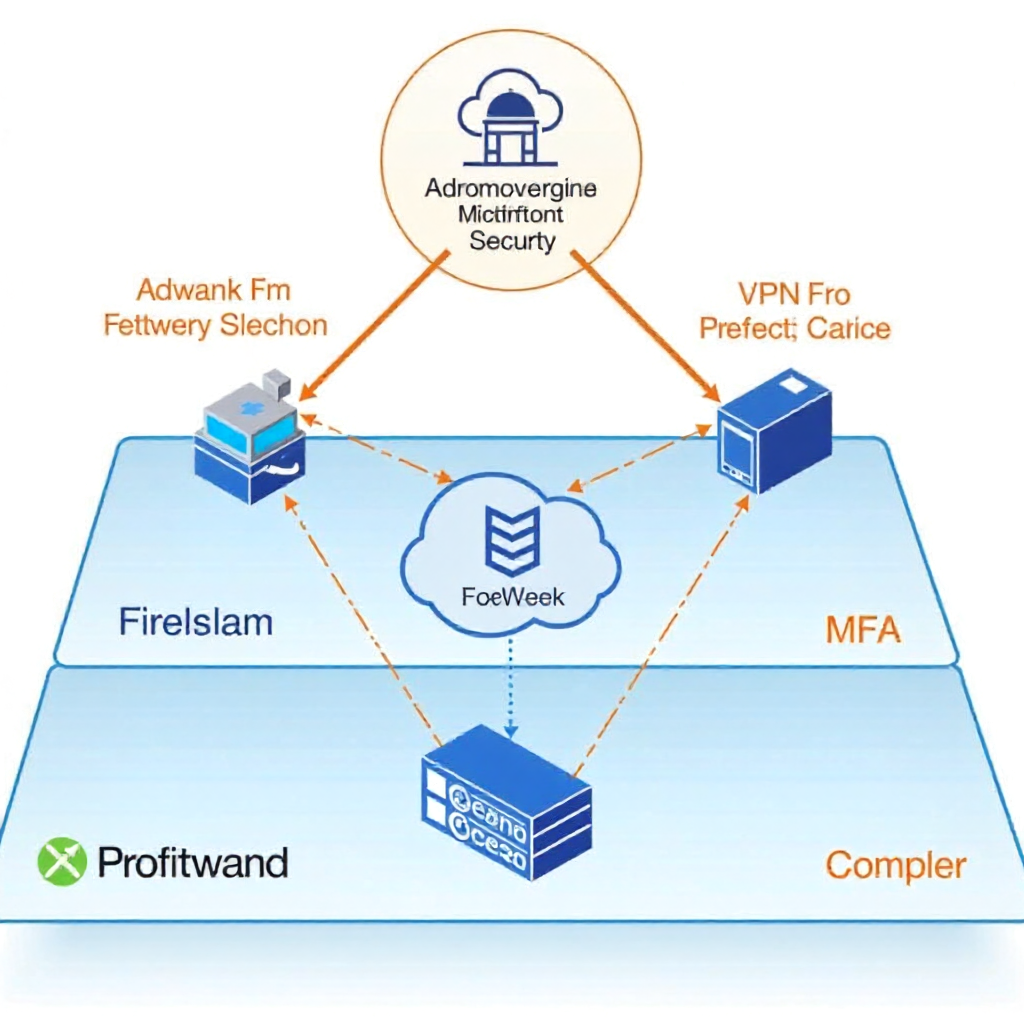
Key tools to secure networks include firewalls, encryption, and Virtual Private Networks (VPNs). Firewalls act as gatekeepers by filtering incoming and outgoing traffic based on customized security rules, blocking potentially harmful connections.
Encryption converts data into unreadable code to prevent interception or tampering during transmission or storage. It is essential for protecting sensitive information both at rest and in transit.
VPNs create secure, encrypted tunnels over public networks, allowing remote users to access private networks safely. This is especially important for remote workforces or accessing sensitive resources over unsecured Wi-Fi.
Applying these measures in combination strengthens the overall security posture and minimizes exposure points for attackers.
Implementing Access Controls and Authentication
Multi-factor authentication (MFA) and strict access controls are vital to ensure only authorized users can access network resources. MFA requires multiple verification methods, such as a password plus a code sent to a mobile device, significantly reducing the risk of compromised accounts.
Proper user access management limits permissions based on roles or necessity, enforcing the principle of least privilege. This minimizes damage if credentials are stolen and helps contain potential breaches.
By layering authentication and granular access policies, organizations can create robust entry barriers against unauthorized intrusions.
The Role of Patch Management and Updates
Timely software updates and patch management are crucial for fixing security vulnerabilities before attackers can exploit them. Patches address bugs, close security holes, and improve system stability.
Neglecting updates can leave devices exposed to known threats, increasing breach risks significantly. Experts recommend applying critical patches within days of release and regularly scheduling updates for all network hardware and software.
Automating patch deployment can improve consistency and reduce the chance of human error in the update process.
Monitoring and Incident Response Strategies
Intrusion detection systems (IDS) and continuous monitoring help identify unusual network activities that could indicate an attack. IDS analyze traffic patterns to spot suspicious behavior, alerting administrators to potential threats in real time.
Effective incident response involves predefined steps like containment, eradication, and recovery to limit damage and restore operations quickly after a breach.
Ongoing monitoring combined with a clear response plan ensures rapid reaction to evolving threats and minimizes downtime or data loss.
Developing Comprehensive Security Policies
Clear security policies provide guidelines for acceptable use, data protection, and incident handling to unify efforts across the organization. Well-designed policies include password management protocols, device usage rules, and procedures for reporting security incidents.
Regular user training raises awareness of threats such as phishing and reinforces best practices to prevent accidental breaches.
Strong policies combined with employee education create a culture of security mindfulness, reducing human factors that often cause vulnerabilities.
Frequently Asked Questions
What is the difference between a firewall and an intrusion detection system (IDS)?
A firewall controls which traffic can enter or leave a network by applying security rules, effectively preventing unauthorized connections. An IDS, on the other hand, monitors network traffic to detect and alert on suspicious activities but does not block the traffic itself.
How often should network devices be updated or patched?
Network devices should be patched as soon as critical updates are released, ideally within a few days. Routine maintenance and updates should occur on a regular schedule, such as monthly, to keep security defenses current against emerging threats.
What are the signs of a network security breach?
Common signs include unusual network traffic spikes, unexpected system slowdowns, unauthorized access alerts, repeated login failures, and alerts from security systems like IDS. Prompt investigation of anomalies can prevent a minor incident from escalating.
Can VPNs fully protect my online activities?
While VPNs encrypt data transmissions and hide your IP address, protecting privacy on public networks, they cannot guarantee complete security. VPNs do not protect against malware infections or phishing, so they should be part of a broader security strategy.
Why is multi-factor authentication important?
MFA adds an extra verification step beyond just passwords, making it much harder for attackers to gain access with stolen credentials. It significantly reduces the likelihood of unauthorized access and data breaches.
For further reading on network security concepts, visit Wikipedia Network Security.